Back to News
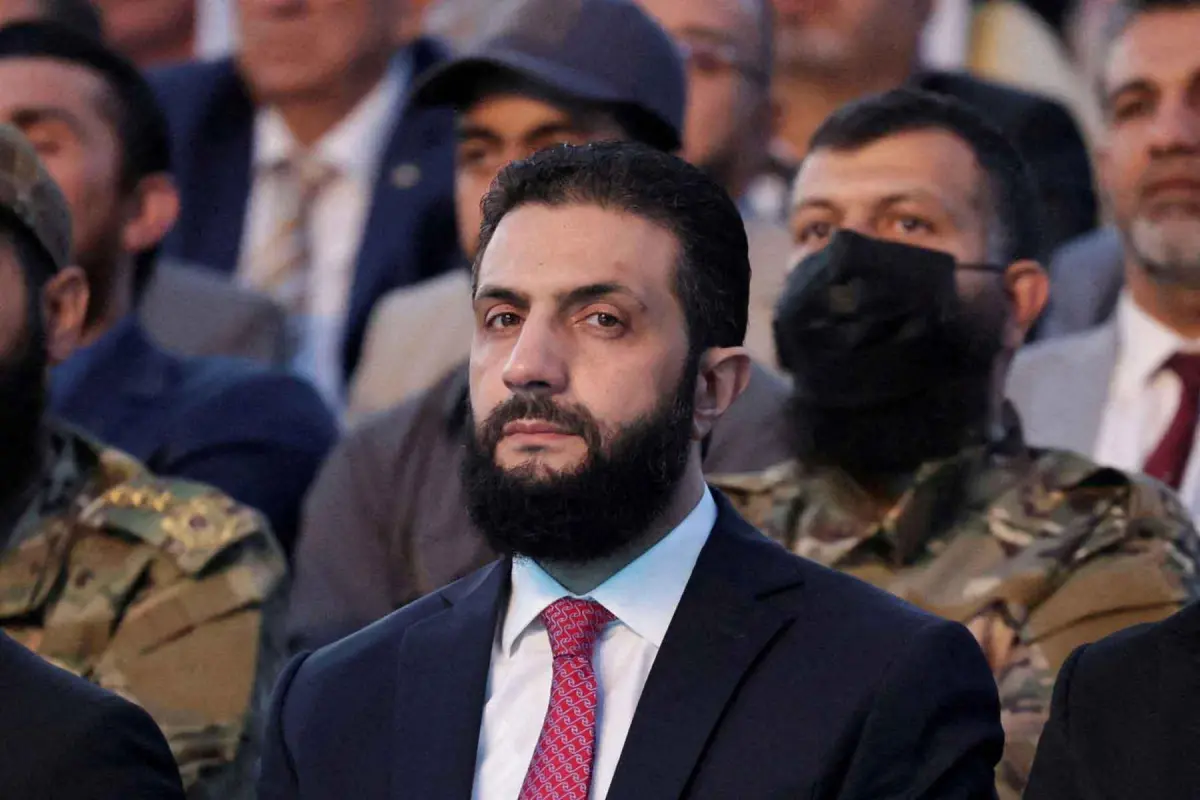
Trump’s bet on Sharaa signals new rules for US engagement in Syria
Politics
The killing of US soldiers inside Syria has once again exposed one of the most delicate fault lines in American Middle East policy: how to confront lethal security threats in a fractured conflict zone without defaulting to collective blame or sliding back into open-ended escalation.
US President Donald Trump’s response stood out for both its precision and restraint. He moved quickly to assign responsibility to Islamic State, while publicly excluding any role for Syria’s new government under President Ahmed al-Sharaa. The attack, Trump emphasised, took place in an area beyond Damascus’s control.
That distinction was deliberate. It reflects a broader recalibration underway in Washington’s Syria policy, where previous administrations often treated threats emanating from Syrian territory as inseparable from the state itself. This time, the White House drew a clear line between an extremist organisation and a government still struggling to consolidate authority after years of war.
Trump’s insistence on absolving Sharaa points to a growing belief within the administration that conflating the Syrian state with jihadist groups no longer advances US counter-terrorism goals. On the contrary, officials increasingly argue that such an approach weakens any emerging central authority capable of containing disorder and shrinking the space in which Islamic State operates.
The president’s remarks build on a diplomatic trajectory that began in November, when Sharaa was received at the White House. That meeting was more than symbolic. It signalled a tentative US willingness to engage with a new Syrian political reality, distinct from the dynamics that defined earlier phases of the conflict. Blaming Damascus for an Islamic State attack carried out in territory it does not control would have risked collapsing that fragile opening before it had time to take shape.
Seen in this context, Trump’s exoneration of the Syrian leadership was neither emotional nor personal. It was a calculated political choice. Escalating against Damascus after the deaths of US soldiers could have pushed Syria’s new government into a posture of suspicion and defensiveness, potentially closing off quiet channels of security coordination against Islamic State.